cool bee facts
Honeybee Lifecycle 101
Honeybee Lifecycle 101
Honeybee Lifecycle 101

In this photo, you’re looking at open brood — developing honeybees in their larval stage — surrounded by attentive nurse bees.
Look closely inside the hexagon cells:
✨ The tiny white, C-shaped forms at the bottom of the cells are larvae.
✨ Some cells show very small larvae (just recently hatched from eggs).
✨ Others contain larger larvae that are nearly ready to be capped.
Here’s what’s happening biologically:
• The queen laid a single egg in each of these cells.
• After 3 days, the egg hatched into a larva.
• Nurse bees are now feeding these larvae a protein-rich diet multiple times a day.
• In about 6 days, workers will cap these cells with wax.
• Inside that sealed cell, the larva will transform into a pupa — and then emerge as an adult bee.
🐝 From egg to adult worker takes just 21 days.
This image captures one of the most important roles in the hive — nurse bees raising the next generation. Every strong colony depends on this constant cycle of care and growth.
At Buzz on the Point, this is where the future of the hive begins.
Echo Point Foraging
Honeybee Lifecycle 101
Honeybee Lifecycle 101
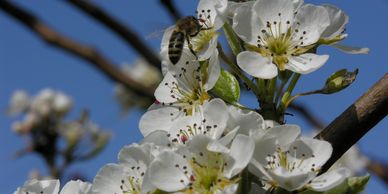
Right here at Echo Point, our bees are gathering nectar and pollen from a beautiful mix of native trees, wildflowers, and seasonal blooms.
Depending on the time of year, they’re visiting:
🌳 Redbud & Maple (Early Spring)
These first blooms are critical — they kickstart brood production after winter and fuel early colony growth.
🌼 Clover & Dandelion (Spring into Early Summer)
Reliable nectar sources that help build honey stores and strengthen the hive.
🍓 Blackberry Blossoms (Late Spring)
A favorite in our area — providing both nectar and rich pollen.
🌿 Wildflowers & Garden Blooms (Summer)
A diverse mix that contributes to the complexity and flavor of local honey.
🌾 Goldenrod & Aster (Late Season)
These powerhouse plants help the bees prepare for winter. Fall nectar often creates darker, more robust honey.
Every jar of honey from Echo Point reflects the land it comes from — shaped by native blooms, changing seasons, and the hard work of thousands of foragers.
At Buzz on the Point, we’re proud that our bees are connected directly to the landscape we call home.
Spring Hive Activity
Honeybee Lifecycle 101
Spring Hive Activity
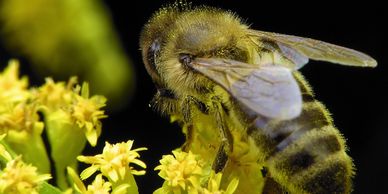
Spring at Echo Point is a season of rapid growth and renewal inside the hive.
As temperatures rise and blooms begin to open, our colonies shift from winter survival mode to full expansion.
Here’s what’s taking place:
🐝 The Queen Is Laying at Full Speed
After slowing down during winter, the queen dramatically increases egg production. The hive begins raising thousands of new worker bees to prepare for peak nectar flow.
🌸 Foragers Are Back in Action
With redbud, clover, fruit blossoms, and wildflowers beginning to bloom, forager bees are bringing in fresh nectar and pollen daily. You’ll see increased activity at the hive entrance as bees come and go.
🍼 Nurse Bees Are Busy
Inside the hive, nurse bees are feeding developing larvae around the clock. Brood patterns expand quickly this time of year.
🏗️ Comb Building & Hive Expansion
As the colony grows, bees begin drawing fresh wax comb to create space for brood and honey storage.
👑 Swarm Preparation (Natural Colony Growth)
Strong colonies may begin preparing to swarm — a natural way bees reproduce and expand into new colonies during spring abundance.
Spring is a time of momentum. The hive is growing, gathering, and preparing for the busy honey season ahead.
At Buzz on the Point, this is when we see the incredible coordination and teamwork that makes honeybees so remarkable.